China wheel procurement / ENK

Enkei Alloy Wheel Sourcing

Compare forged and cast wheel offers against the same fitment brief. We coordinate supplier checks, samples and inspection handoffs for importers and distributors.

  • Fitment intake
  • Quote comparison
  • Sample review
  • Document handoff

Product scope

Source forged and cast alloy wheels

Unbranded forged wheel viewed from the rear

Primary sourcing line

Forged alloy wheels

For tight brake envelopes, request the back-of-spoke profile and compare it with a caliper template. Ask for the exact rim diameter, rim width and wheel load rating alongside the drawing revision.

View sourcing catalog
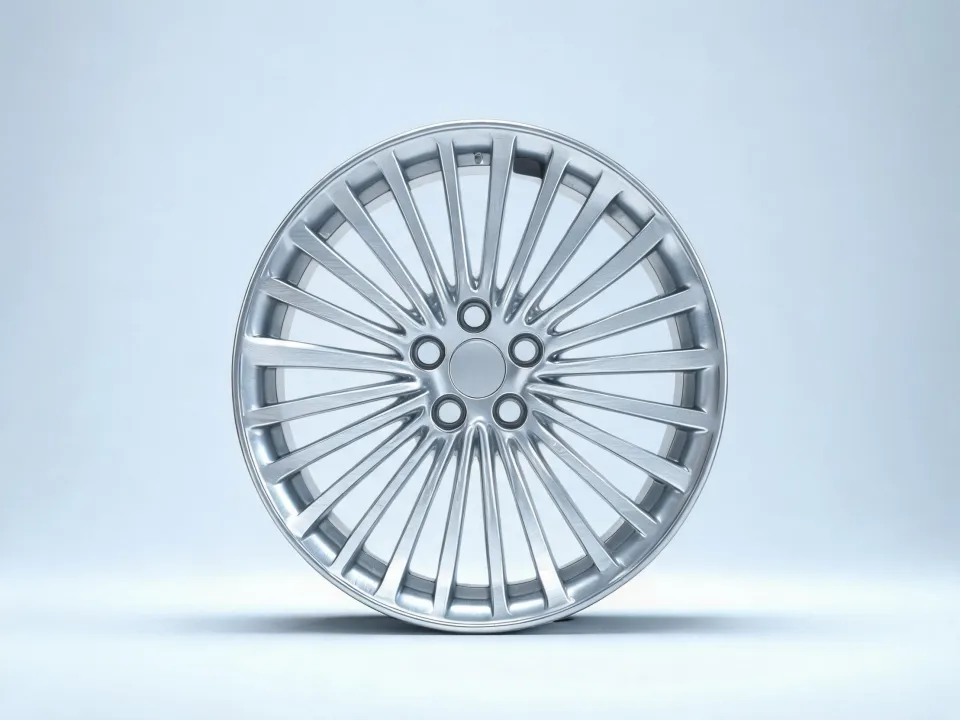
An unbranded cast alloy wheel with brushed spokes against a cool pale studio background

Cast alloy wheels

Compare tooling ownership, finish samples and load documentation before choosing a recurring catalog line.

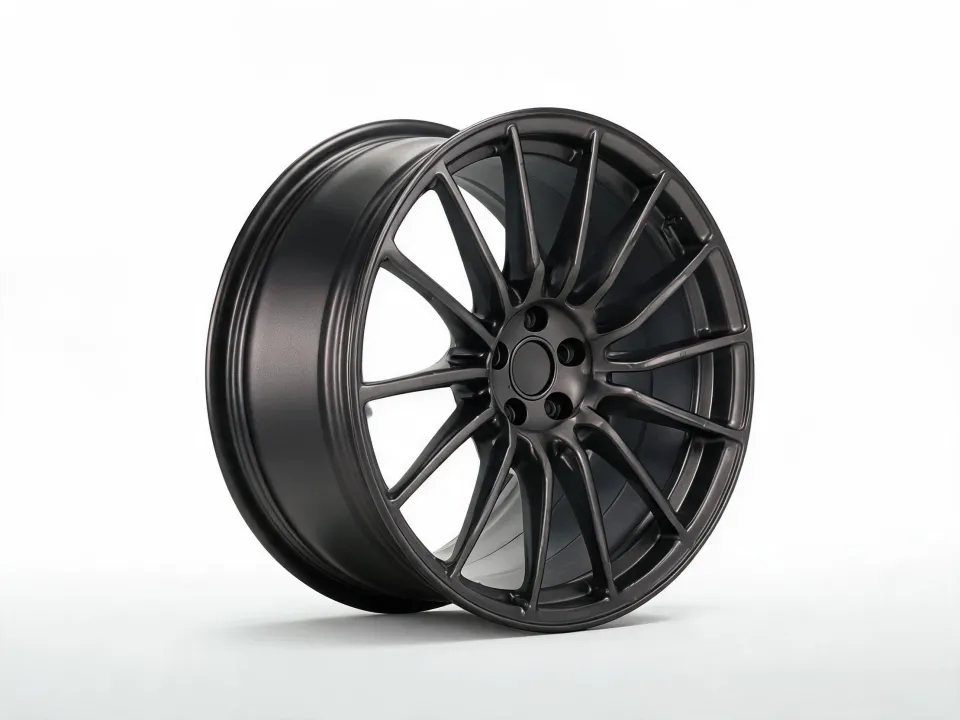
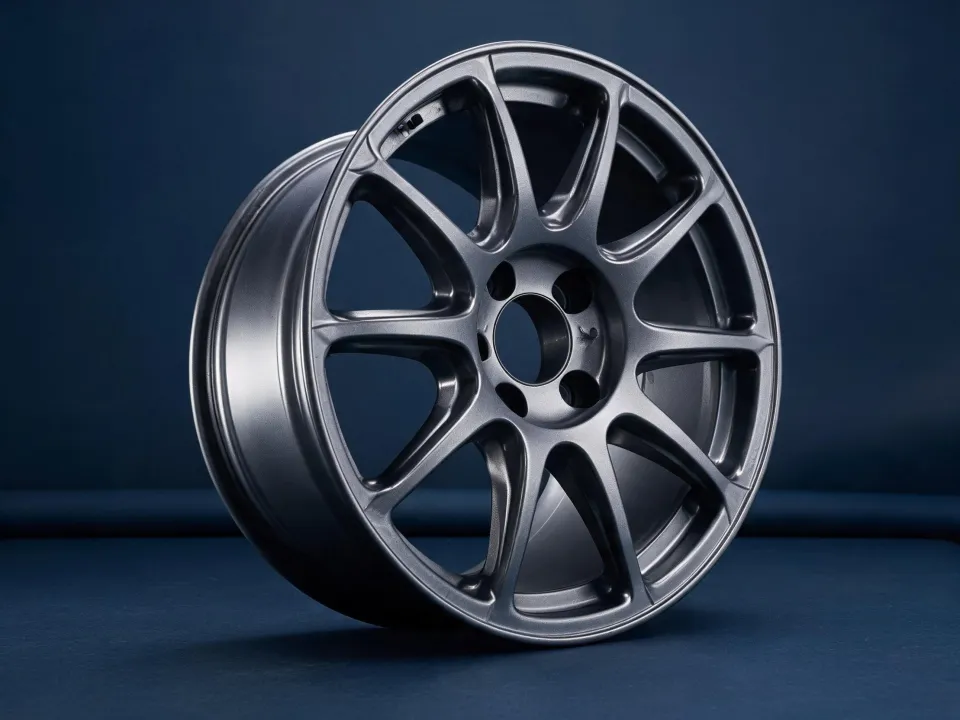
Unbranded dark flow-formed alloy wheel, showing the barrel in a technical product photograph

Flow-formed wheels

Ask the supplier to identify the rim-forming process and match the offered size to its drawing revision.

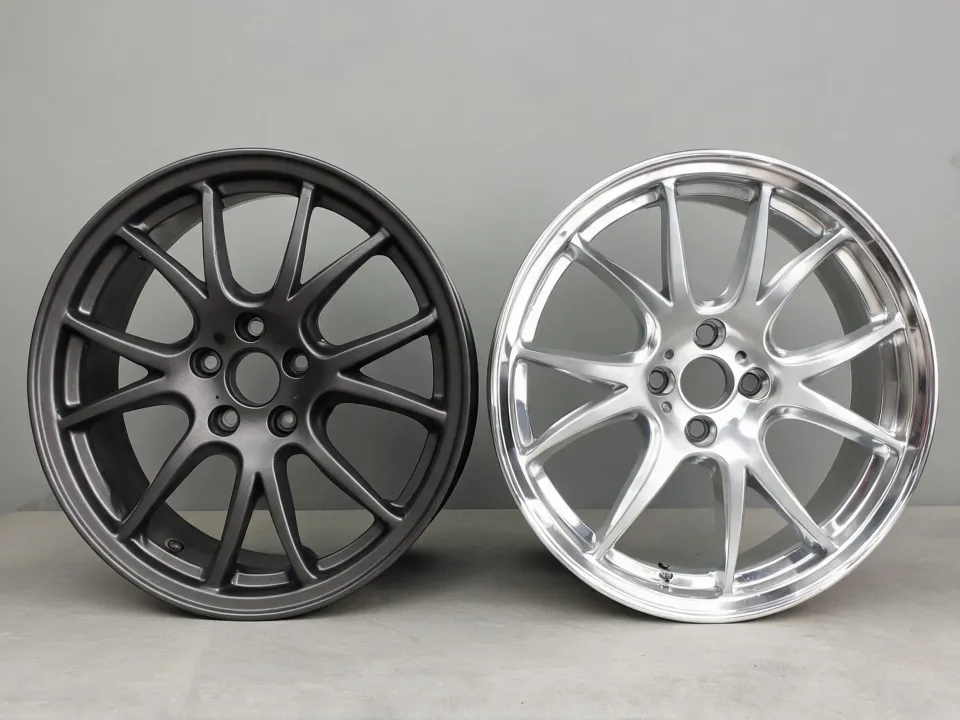
Two unbranded alloy wheel finish samples, satin graphite and machined silver, neutral workbench

Finish programs

Agree on a reference sample for gloss, color and machined faces. Record the finish code on the packing specification.

Fitment intake

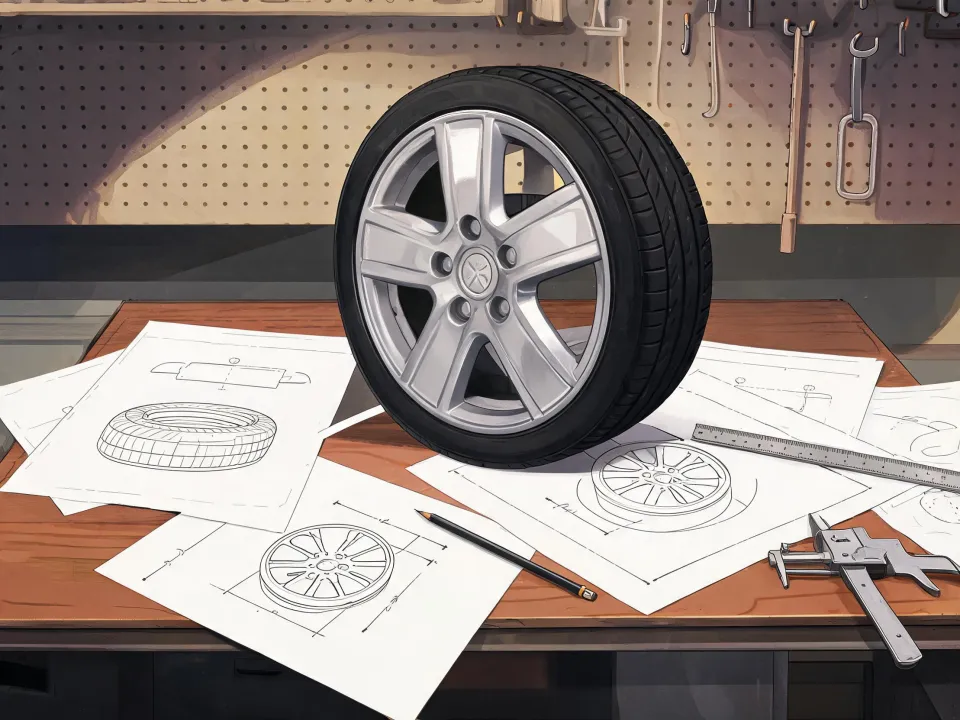
Put the fitment requirements on one sheet

Mounting geometry

Bolt pattern
Record bolt count and pitch circle diameter (PCD), such as 5×114.3 mm, with lug-seat type.
Centering and clearance
Give center bore in mm, wheel offset (ET) in mm, vehicle and axle position. Supply the brake-caliper template if clearance is tight.

Wheel and market requirements

Rim and load
Give rim diameter and rim width in inches, wheel load rating in kg, and finish reference. A 17 × 8 in, ET35 entry is a format example for the brief.
Application and review
List the target market, vehicle trim and desired runout inspection. Ask the supplier to name the radial runout and lateral runout datums on the inspection sheet.
Sourcing checkpoints

Keep changes visible between brief and release

01 Freeze the inputs

Identify which dimensions are mandatory and which alternatives need sign-off. Flag vehicle trim and axle position on each line.

02 Align the offers

Compare MOQ by SKU and finish, sample charges, carton configuration and quoted Incoterm at the same named place.

03 Review before shipment

Use the approved drawing and finish sample to scope the inspection. Route any quantity or labeling exception to the buyer before release.

Buyer programs

Match the checks to the buying channel

  • Fitment brief
  • Supplier quote
  • Sample decision
  • Shipment file

Buyer questions

What to resolve before requesting a quote

Fitment and process

Does a matching bolt pattern establish fit?

Check center bore, lug-seat geometry, wheel offset (ET), caliper envelope and load rating together. Two 5×114.3 mm wheels can have different spoke-to-caliper clearances.

When is casting a practical choice?

A catalog cast design can avoid a new tooling program when its approved geometry and finish match your brief. A forged option may warrant a quote when the mass target or spoke envelope is tight. Compare actual drawings and samples at the same load target.

Documents and terms

Can we quote several finishes together?

Request line-level MOQ and sample cost, then check whether the supplier combines finishes for a production run. Keep each MOQ, Incoterm and named handover point on the individual offer.

How do you review a supplier report?

Match the supplier site, tested model, wheel size and report revision to the offer. A report for a different size stays open until the supplier documents its scope for the requested configuration.

Request for quotation

Bring a size list or fitment drawing

Include the vehicle, rim dimensions, load target and destination port so suppliers can quote the same brief.

Send the sourcing brief